NVWA and TRACES-NT
The inspection is not the last step of a file, it is the first hard deadline. This page describes how SKAI builds the TRACES-NT notification from the documents already in the file, which CHED belongs to which consignment, and what happens when a field does not match the certificate.
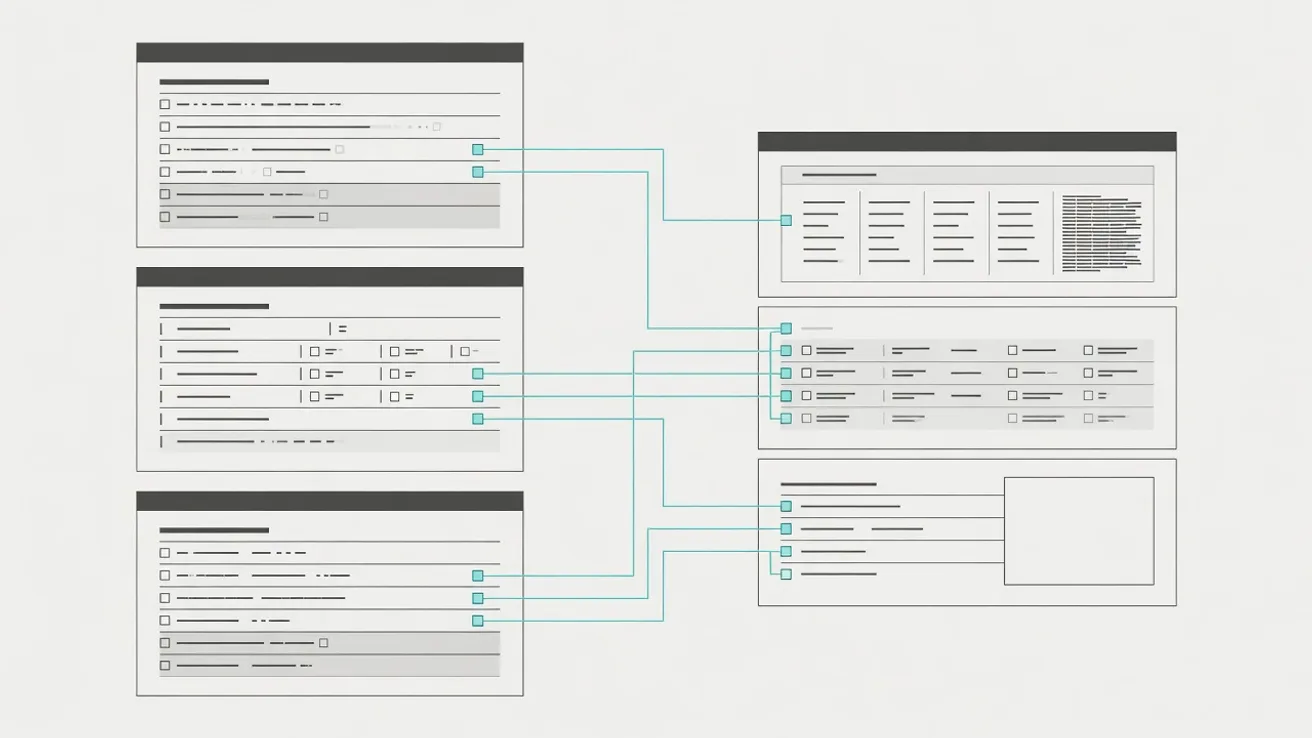
What does TRACES-NT do and why does every notification go through it?
TRACES-NT is the European Commission system in which consignments subject to border control are notified before they arrive. It is not a Dutch portal and not an NVWA portal. Every member state works in the same system, with the same forms, and the competent authority at the border control post handles the notification there. A notification is called a CHED, the common health entry document. Part I is yours as declarant or as the operator responsible for the consignment: what is in it, where it comes from, which certificate goes with it, which border control post and when the goods arrive there. Part II is completed by the authority after the check. Part III covers what happens next, onward movement or a measure after rejection. Without a completed Part II the consignment does not enter free circulation. The import declaration refers to the CHED reference number, and as long as that number does not carry an approved check, the goods stay under supervision.
CHED-A, CHED-P, CHED-D or CHED-PP: which one does your consignment need?
Which CHED you need follows from the product, not from the client and not from the route. CHED-A covers live animals. CHED-P covers products of animal origin: meat, fish, dairy, egg products, animal by-products and composite products with an animal component. CHED-D covers food and feed of non-animal origin under increased controls, for example nuts, spices or dried fruit from a country on the list with a raised control frequency. CHED-PP covers plants, plant products and other material that needs a phytosanitary certificate. One consignment can need more than one. A mixed container with frozen fish and dried spices produces a CHED-P and a CHED-D, each with its own reference number and its own inspection. The reference number carries the type, the member state and the year, and that exact number comes back in the declaration. Pick the wrong type and you often find out on the quay, when the inspector has a different form in front of him than the product he is looking at.
When does the notification have to be in, and how do you get an inspection slot?
As a rule the notification has to be in TRACES-NT at the latest one working day before arrival at the border control post. For fresh produce that is tight, because the health certificate is often only available once the aircraft has left or the trailer is already on the road. Wait until every paper is complete and you miss the deadline. In practice the notification is how you request an inspection slot. The border control post plans the check around the arrival time you declared. Arrive later than notified and the check moves to the next moment with capacity, and capacity in the evening and at the weekend is limited. That makes the notification more time critical than the declaration itself. A declaration can be corrected within the hour. A missed inspection slot costs half a day or more, and with chilled cargo the shelf life keeps running in the meantime.
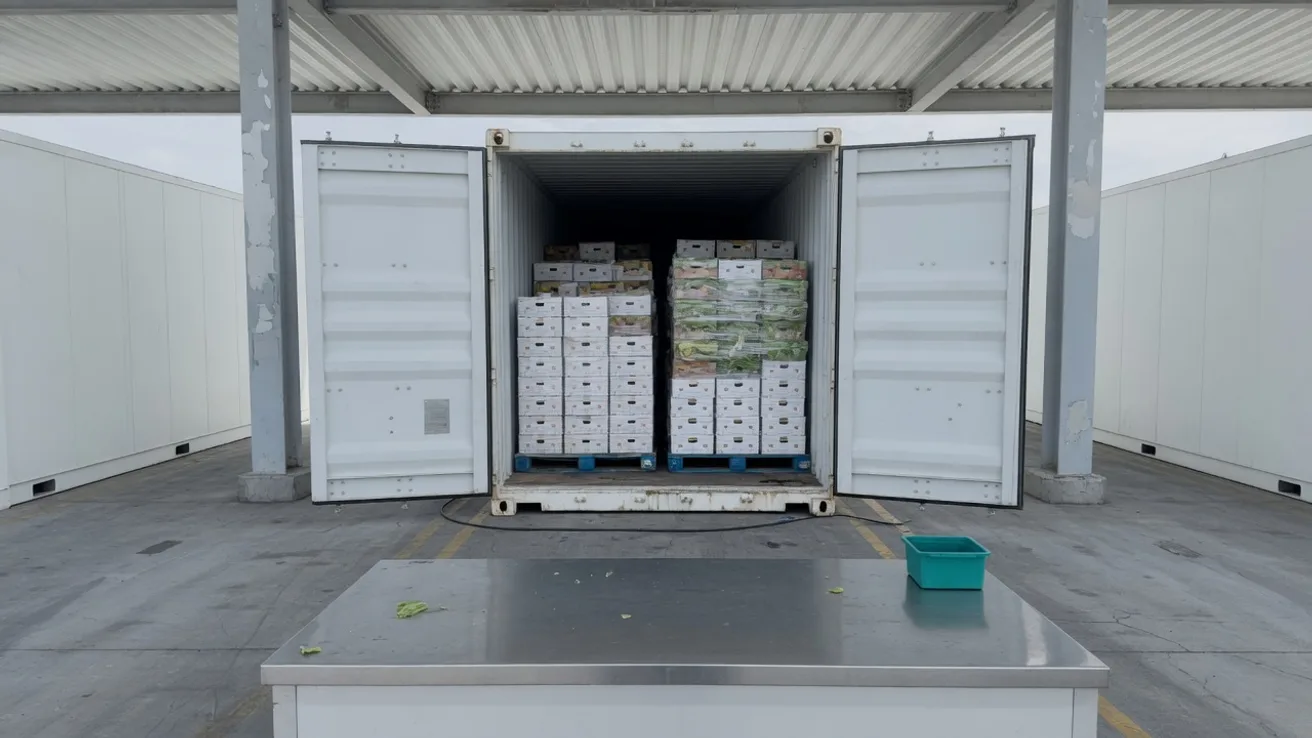
Who does what: the NVWA, the KCB and the declarant
The NVWA is the competent authority for the veterinary side and for food. It staffs the border control post, performs the documentary check, the identity check and the physical check, and it completes Part II of the CHED-P and the CHED-D. The KCB carries out the phytosanitary import inspections on behalf of the NVWA and also checks the marketing standards for fruit and vegetables. So for a consignment of cut flowers or fresh vegetables the KCB is the party you deal with on the quay, while the legal competence stays with the NVWA. For a consignment of fish or meat it is the NVWA itself. What you do as declarant does not change because of that. You notify in TRACES-NT, you make sure the original certificate travels with the consignment, and you are reachable when the inspector has a question about a line. What does change is who you call when the inspection stalls, and that saves time on the day it goes wrong.
How does SKAI build the CHED from the certificate, the invoice and the transport document?
The data for Part I is already in the file. The health certificate supplies the description, the commodity code, the approval number of the establishment of origin, the country of origin and the net weight. The invoice supplies the value and the parties. The transport document supplies the container number, the seal number, the vessel or flight number and the arrival date. SKAI reads those documents and builds the CHED-P or the CHED-D from them, instead of somebody laying them side by side and retyping. Every field carries a source label back to the document and the line it came from, so when something looks off you do not have to read the whole certificate to find out where a weight came from. What SKAI does not know, it asks. If the arrival time is missing or the border control post is not settled yet, the file waits on that rather than letting an assumption end up in the form.
Why does every field have to match the certificate exactly?
An inspection starts with a documentary check in which the inspector puts the CHED next to the certificate. That is a field by field comparison: net weight, number of packages, batch number, approval number, container number, commodity code and country of origin. If one value differs, the question is not which of the two is right, but why they are not the same. In practice that difference rarely comes from anything dishonest. It comes from a net weight that is actually a gross weight on the invoice, from a batch number with one hyphen more or less, from an approval number retyped incorrectly. The result is the same: the notification goes back for correction, the inspection slot is gone, and in the worst case the consignment is rejected. SKAI compares those fields against each other before the notification leaves. If the weight on the CHED differs from the certificate, that is an alert for the declarant and not a remark from the inspector.
What happens after the inspection, and who pays if the consignment is rejected?
After the check the authority completes Part II. If the outcome is positive it states for which purpose the consignment is admitted and under which conditions, and only then does the declaration have a reference that holds. SKAI pulls that outcome back into the file, so the status of the inspection sits in the same place as the documents and the declaration and nobody has to keep a second screen open to see whether the goods are free. On rejection the authority imposes a measure: re-dispatch to the country of origin, destruction, or in certain cases special treatment. Part III records what happens to the consignment and where it goes. The cost of that measure sits with the operator responsible for the consignment, and along the chain it often lands on the declarant first. Storage, cooling, return freight and destruction keep adding up for as long as the case runs. That is exactly why the check before filing is worth more than speed afterwards.