Skip to content

SKAI for shippers

As a shipper your name is on the declaration, whether you file yourself or use a forwarder. SKAI is there to file in house, or to see what happens to the shipment.
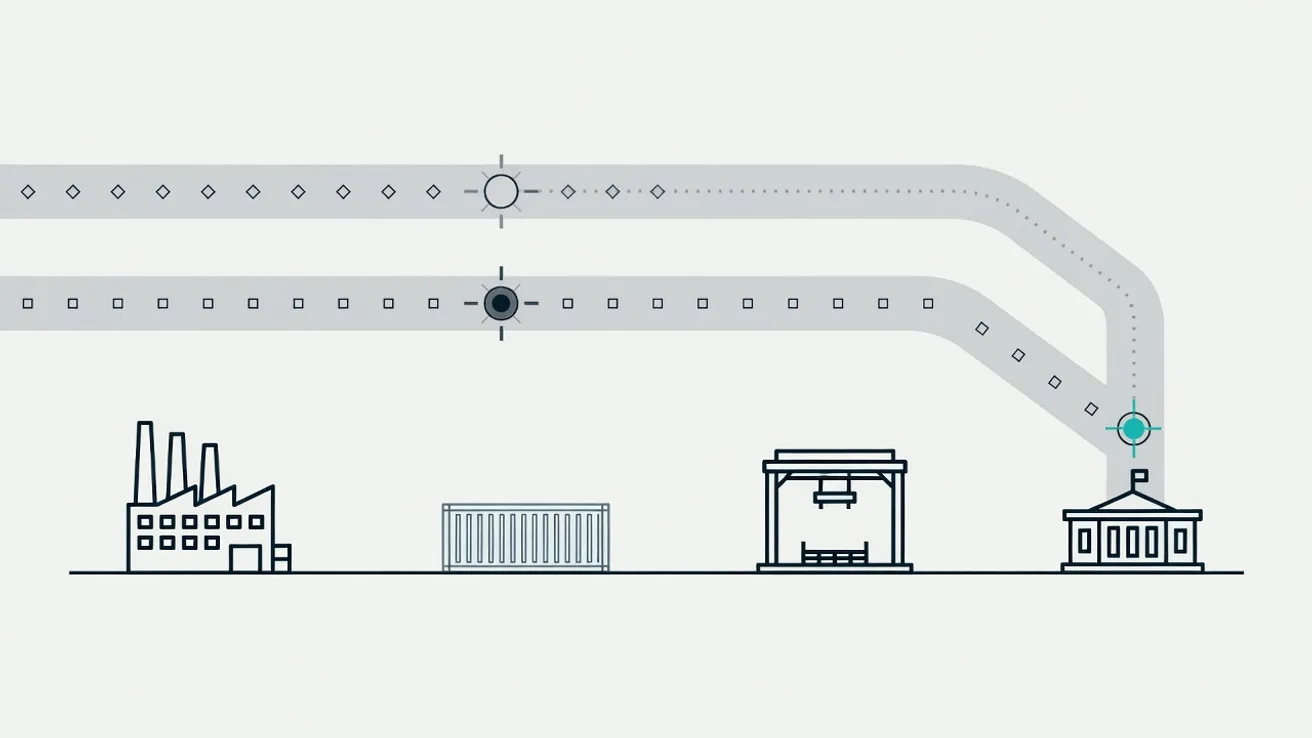
Two routes to the same customs authority, one through an external agent and one in house, meeting at the declaration.

Outsourcing moves the work, not the debt

As importer you are debtor of the customs debt. Under direct representation the declaration is in your name. Under indirect representation the agent is a co-debtor, but a post-clearance claim usually comes back to you. Proof of value, origin and classification stays yours, because you hold the purchase contracts.

What SKAI does for you

SKAI reads your documents, checks goods code, VAT number and EORI, and files to DMS, NCTS, DECO or TRACES-NT. Per dossier you see what was read, what was validated and which MRN came out. That also works if part of the flows stays with an agent.

What you need to file yourself

An active EORI number, master data that DMS can accept (ten-digit code, country of origin, document codes) and someone who judges what SKAI flags. SKAI connects through a REST API to your WMS, TMS or ERP. Live markets are the Netherlands, Belgium, the United Kingdom and Ireland.
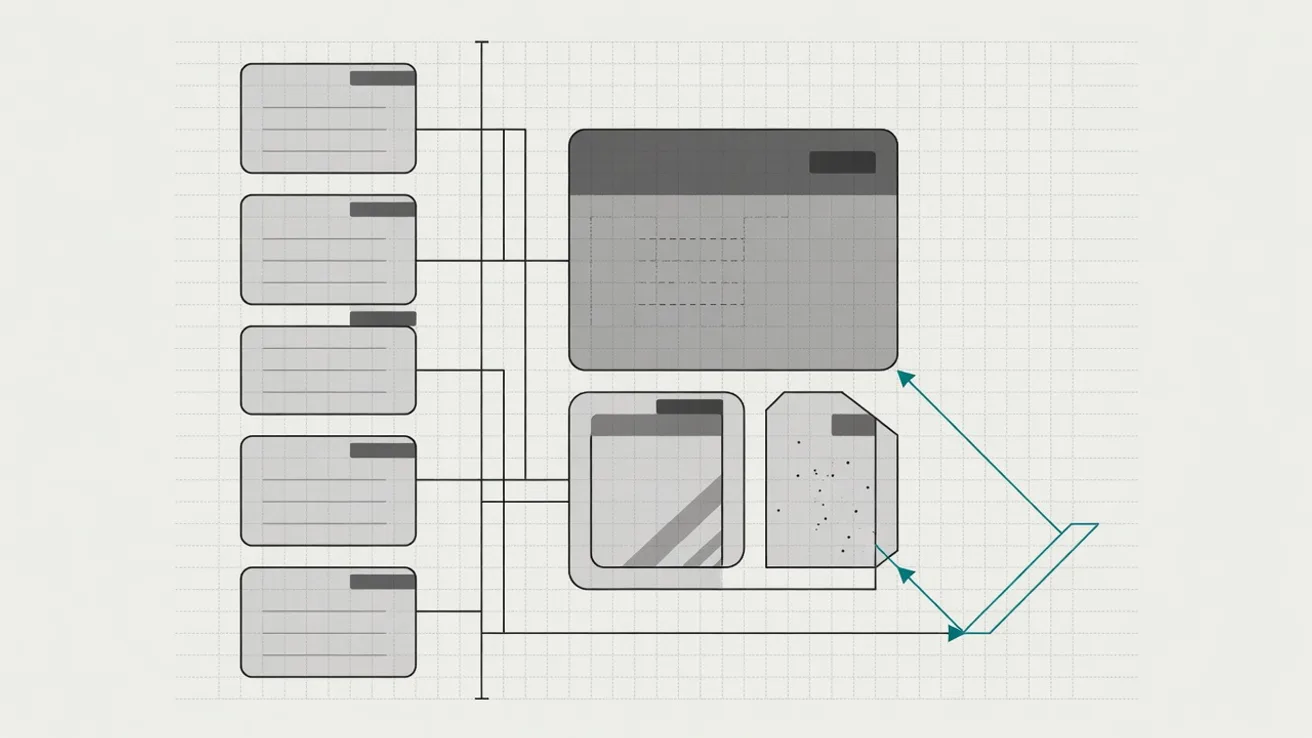
Diagram showing repeating shipments handled in house while exceptional shipments are routed to an external party.

Frequently asked questions

Should I outsource my customs declarations or do them myself?
It depends on volume, margin and how much of the risk you already carry. At low volumes an agent is almost always cheaper than your own declarant plus a system; on a continuous flow that calculation tips. Bear in mind that outsourcing moves the work and not the liability.
Who is liable when my customs agent makes a mistake?
As the importer you are the debtor for the customs debt, even when an agent filed the declaration. Under direct representation the declaration is entirely in your name. Under indirect representation the agent is a debtor alongside you, but he normally recovers an assessment from his client under the contract.
What do I need in order to file customs declarations myself?
An active EORI number, master data that can carry the declaration data set, a system that files directly and somebody who knows the rules. The master data is the bulk of the work: a complete ten digit code per article, a country of origin and the matching document codes. Without those the declaration is refused.
At what point is it worth bringing customs in house?
Once the per dossier rate you pay an agent structurally exceeds a declarant plus a system. Add the licences that only become worthwhile at volume, such as the Dutch article 23 deferment and entry in the declarant's records. Count the lead time too, because waiting on paperwork costs storage and delay.
How can I see where my shipment stands in the customs process?
Only if your agent or your own system reports the status back per dossier. In practice, outsourcing means calling to ask whether the declaration has been filed yet. With a dossier that shows per document what was read, validated and filed, with the MRN alongside, you no longer have to ask.
How long after import can customs still raise an assessment?
As a rule up to three years after the customs debt arose, and longer where a criminally punishable act is involved. A retrospective control also looks at a whole flow rather than a single dossier. A small error per shipment therefore adds up across every shipment in that period.
Can I file part of my declarations myself and outsource the rest?
Yes, and for many shippers that is the practical route. You keep the repeating flow in house and leave exceptions such as transit, veterinary consignments or unusual valuation questions with an agent. Record that cut as a rule per flow, so it does not become a daily decision.

We show how one of your own shipments enters SKAI, gets checked and goes out.

Book a demo