Skip to content

SKAI for forwarders

You file declarations for principals. SKAI reads the documents, checks the fields and files, so your declarant gives the approval instead of retyping.
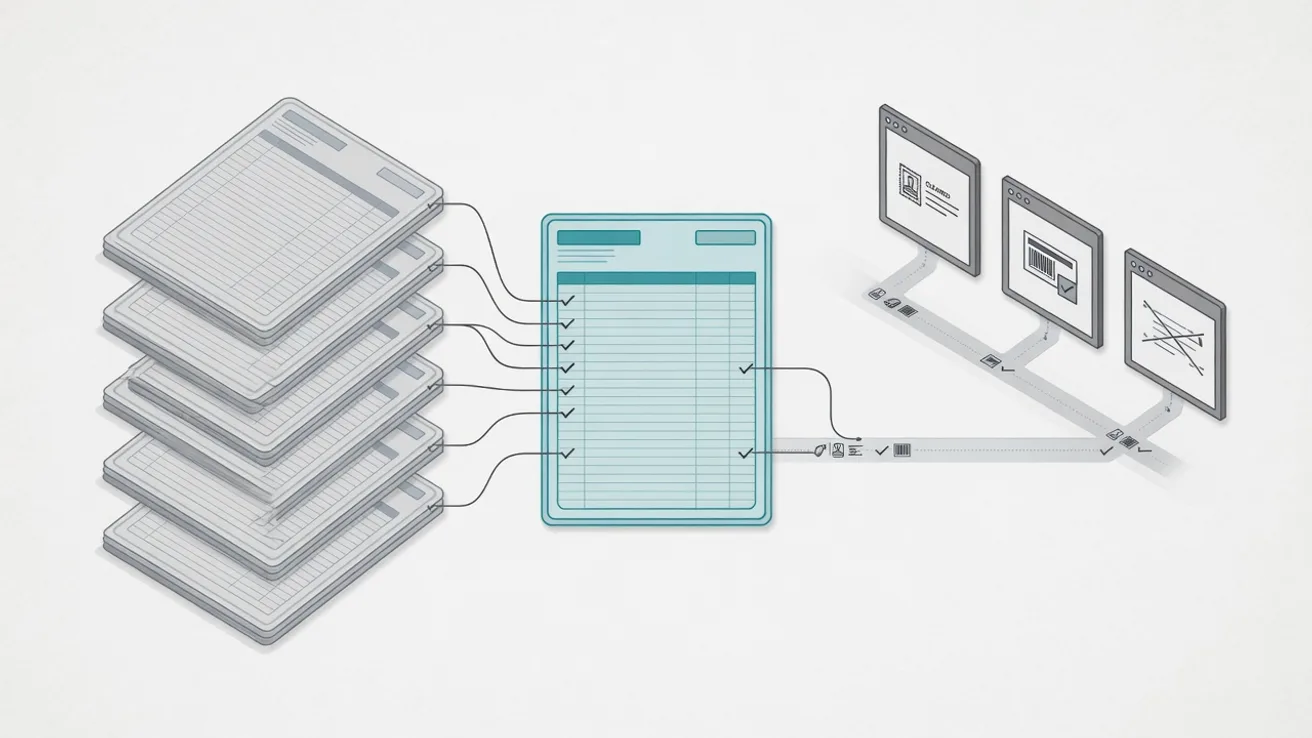
Isometric diagram in which five documents converge into one dossier and three separate portals collapse into a single status lane.

What the desk needs

You work with changing principals, and with invoices, packing lists and bills of lading that rarely say the same thing. Time goes to retyping, chasing missing papers and looking up status in DMS, Portbase and the terminal. The exception decides whether the day closes, not the routine declaration.

What SKAI does for you

SKAI reads the documents and puts the values into the declaration. Every field carries a source label back to the document. The goods code is checked against the Dutch tariff database and TARIC, the VAT number via VIES, the EORI number against the EU register. What does not line up, you see before filing. Then the declaration goes to DMS, NCTS, DECO or TRACES-NT, and the status comes back into the dossier.

Per principal, not by habit

Routing, document flows, goods-code mappings and approval steps sit per client. Invoicing hangs on the dossier, so extra item lines and work outside office hours do not disappear. Under indirect representation you are the declarant. Then it matters whether you can later show what the value and the classification rested on.
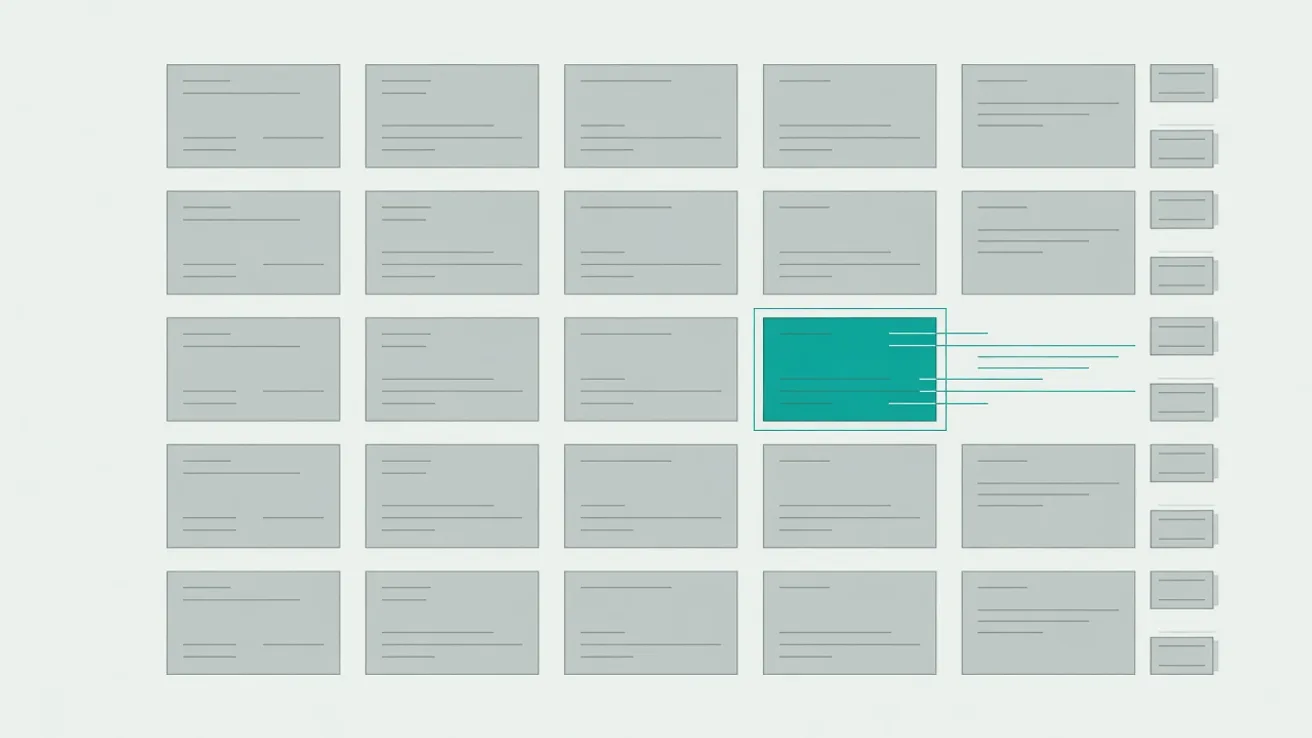
Grid of twenty identical dossiers with one highlighted, three lines running from it to separate notes in the margin.

Frequently asked questions

What is the difference between direct and indirect representation?
Under direct representation you file in the name of and on behalf of your principal, who is therefore the declarant. Under indirect representation you file in your own name but on behalf of your principal, which makes you the declarant. The difference decides who customs comes to when something later turns out to be wrong.
Am I a co-debtor as a forwarder under indirect representation?
Yes, under indirect representation you are the declarant yourself and therefore a co-debtor for the import duty and the VAT. That stays true if your principal does not pay or no longer exists. Record per dossier which documents your classification and customs value were based on.
How many declarations can one declarant do per day?
That depends mainly on how many dossiers are exceptions, not on how fast someone types. Routine dossiers with familiar goods and a regular principal go out quickly. The retyping, the chasing of missing documents and the checking across several portals decide the rest of the day.
How do you stop a completed dossier from going uninvoiced?
By letting the dossier record what was done to it at the moment it happens. Extra item lines, a second filing after an amendment and work outside office hours otherwise drop out of billing. Nobody reconstructs them afterwards.
Can SKAI apply different rules per principal?
Yes. Routing, document flows, goods code mappings and approval steps are configured per client and SKAI applies them automatically. A declarant then does not have to remember which principal has which exception.
How quickly can a forwarder be live on SKAI?
In about a month. We connect your accounts and the customs link, configure master data and settings, run two weeks of testing with one or two principals, and then give your declarants an internal training.

We walk through one of your own dossiers, from document to filed declaration.

Book a demo