Skip to content

Industry

Customs for e-commerce

An e-commerce flow is a data stream with a customs obligation attached. The declaration is built unattended. A declarant only looks at the drop-out.
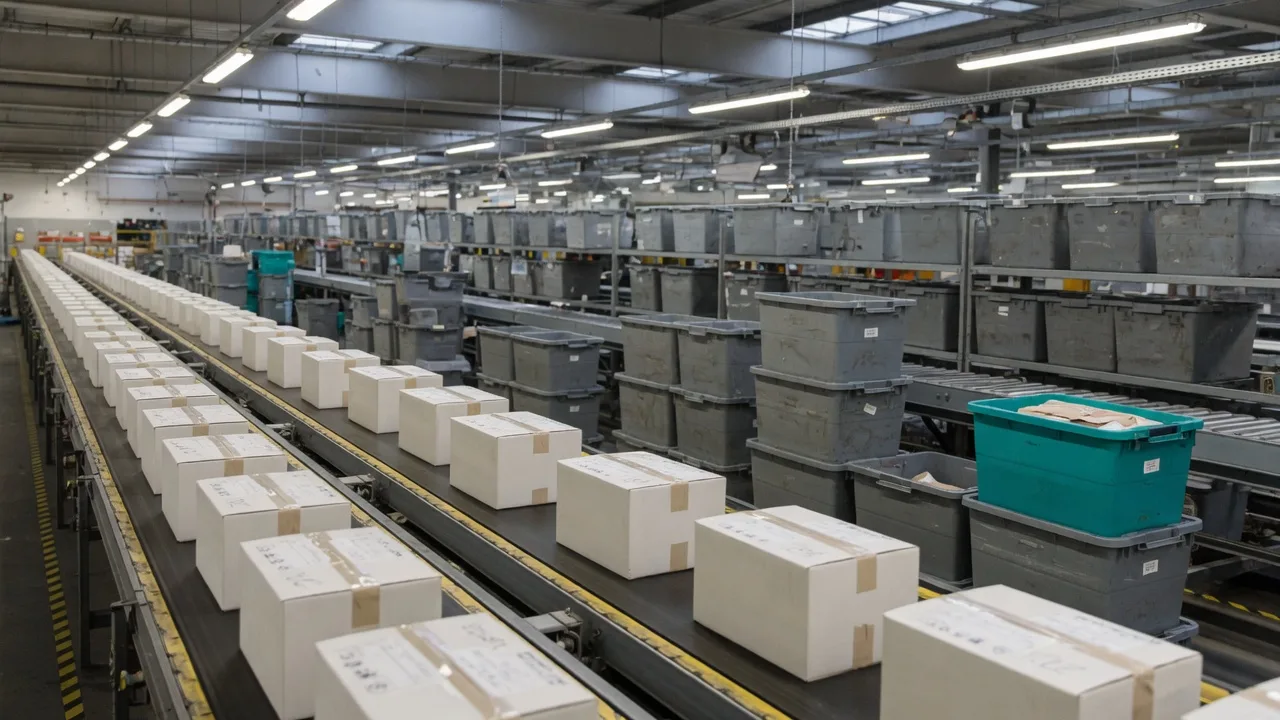
Fulfilment hall with cartons on a conveyor.

CSI-Fresh, Fidocs and ICL already run on SKAI.

FidocsCSI-FreshICLEGS

Capabilities

Customs for e-commerce

Three steps. Where this industry gets stuck, and how the dossier stops that.

Volume needs a pipeline

Tens of thousands of consignments a day cannot be handled screen by screen. The declaration is built unattended. A declarant only looks at what drops out.

  • Batches instead of single files
  • Rules, mappings and thresholds per principal
  • Steer on drop-out per seller, not on every parcel
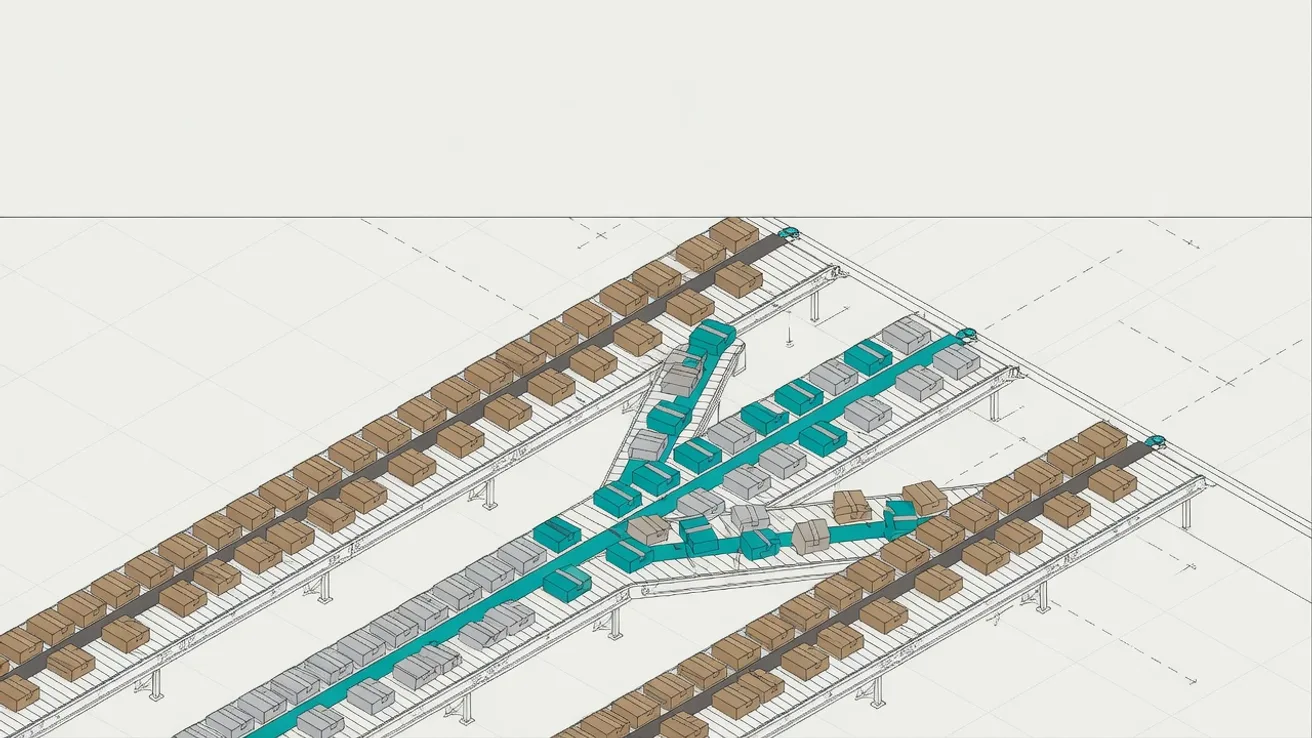
Isometric drawing of a sortation hall where a belt of small parcels fans out into three lanes.

DECO and the H7 set

DECO is the Dutch system for consignments up to one hundred and fifty euro, with the H7 data set. Above that threshold, or with excise and licence goods, the ordinary import declaration in DMS applies.

  • Six-digit code, short description, intrinsic value
  • Check the IOSS number at intake
  • Choose DECO or DMS per consignment
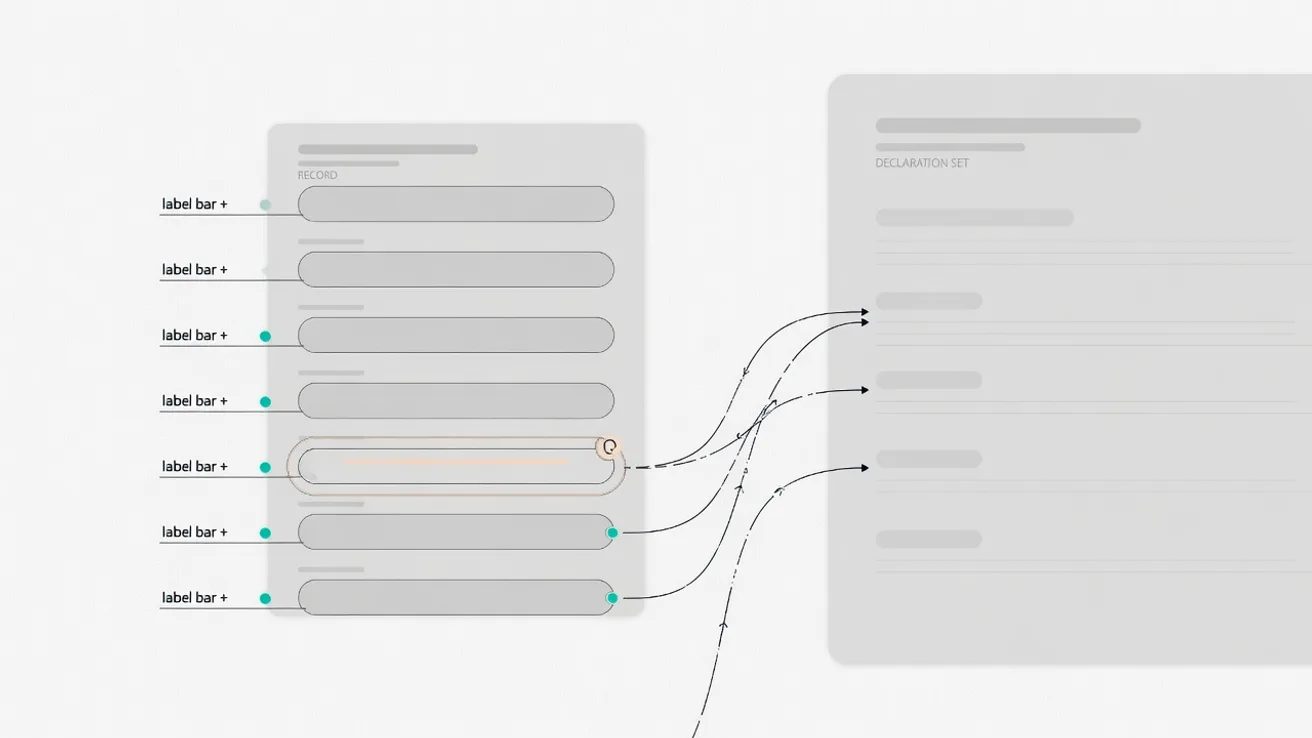
Schematic card showing a short row of data fields linked to a second, much larger set of fields.

Drop-out back to the source

The declaration rarely fails on the tech. It fails on gift, sample or a value that does not match the weight. SKAI feeds that back to the platform, and keeps the consignment number for returns.

  • Fail early, before the batch goes out
  • Bundle rejections per seller
  • Returns with a link to the original import
  1. 1Fail early, before the batch goes out
  2. 2Bundle rejections per seller
  3. 3Returns with a link to the original import

Frequently asked questions

How do you file tens of thousands of e-commerce declarations a day?
Automatically, in batches, with a declarant who only looks at the fallout. The declarations are filled from the shipment data the platform or carrier supplies and go to DECO without intervention. Manual work happens on rejections and on shipments that fall outside the rules.
What do you do with an e-commerce declaration that gets rejected?
You feed it back to the source, because the error is almost always in the supplied data. A description like gift, or a value that does not match the weight, cannot be corrected at this end without guessing. Collect the rejections per seller and refile only once the data is right.
How do you handle a return of an e-commerce shipment?
As a flow of its own, with an export declaration and a reference to the original import. Only that reference lets you support a refund of duty or VAT. It requires the webshop's shipment number to travel into the customs file and not be replaced along the way.
What data does a platform or carrier have to supply for DECO?
At minimum consignor, consignee, intrinsic value, a usable goods description, a six digit goods code and, if the seller has one, the IOSS number. In practice the description is the field that goes wrong: gift, sample or goods earns a rejection.
What does the end of the one hundred and fifty euro exemption mean for your systems?
That you must be able to supply a full goods code and a substantiated value per parcel instead of a description and an amount. The H7 set no longer suffices, because a rate has to be set. Anyone configuring a flow now can carry those fields already.
Can SKAI connect to the system my shipments already live in?
Yes, through the REST API onto an existing WMS, TMS or ERP, or directly onto the platform's data stream. SKAI sits as a layer on your current stack rather than replacing it. The DECO connection is native, so declarations are filled from that data without a second entry.

Let us run one day of your parcel flow through SKAI and see how many shipments clear without intervention.

Book a demo