Skip to content

Module

Transit

The transit module opens T1, T2 and T2F in NCTS and follows the consignment until discharge.

Container truck on a wet European motorway.

CSI-Fresh, Fidocs and ICL already run on SKAI.

FidocsCSI-FreshICLEGS

Capabilities

Transit

Three steps. From documents to a dossier customs will accept.

What it covers

T1 for non-Union goods under suspension, T2 for Union goods that leave the customs territory and re-enter, T2F for fiscal territories. Live markets are the Netherlands, Belgium, the United Kingdom and Ireland.

  • T1 for non-Union goods under suspension
  • T2 and T2F for Union goods and fiscal territories
  • Live in the Netherlands, Belgium, the United Kingdom and Ireland
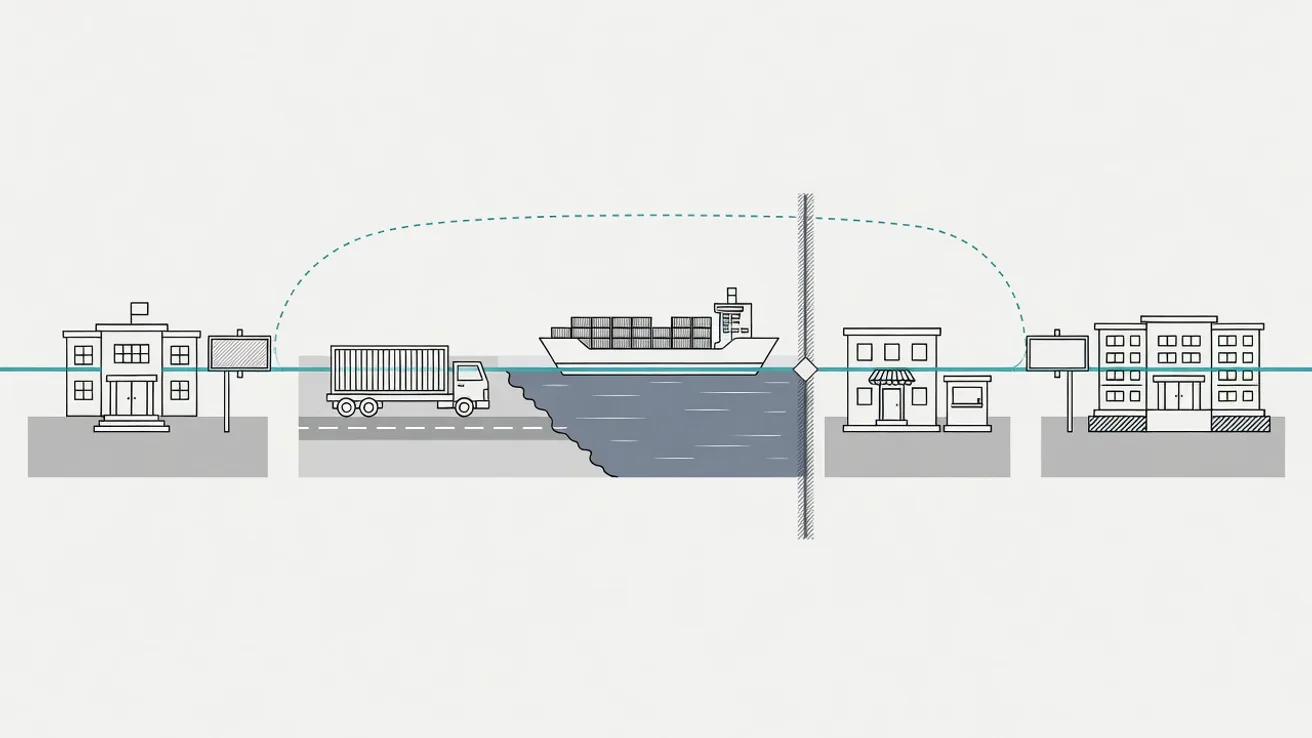
Diagram of a transit movement from office of departure via an office of transit to the office of destination, with a return message back to departure.

How it works

SKAI builds the declaration from the documents and sends it to the office of departure. After the MRN it follows the consignment through arrival and unloading results. Discharge closes the procedure and frees the guarantee.

  • The declaration is built from the documents
  • Sent to the office of departure, then the MRN
  • Discharge closes the procedure and releases the guarantee
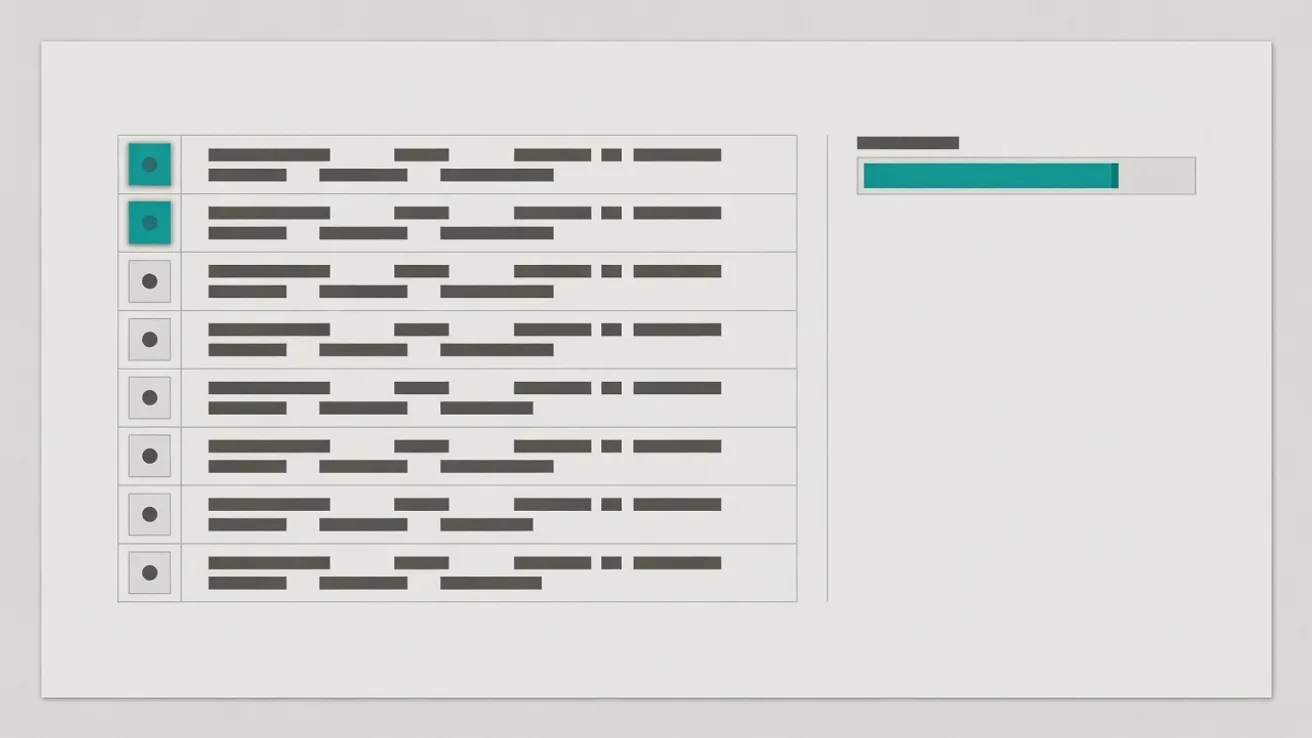
Interface view showing a list of open transit movements ordered by risk and a bar showing how much guarantee headroom is in use.

Movements still open

A transit dossier is only done when discharge is in. SKAI shows which movements are open, by deadline and risk, so you do not first notice an open item when the enquiry letter arrives.

  • A transit file is only done after discharge
  • Open movements by deadline and risk
  • You see them before an enquiry lands
  1. 1A transit file is only done after discharge
  2. 2Open movements by deadline and risk
  3. 3You see them before an enquiry lands

Frequently asked questions

What is NCTS?
NCTS is the European system in which transit declarations are filed, followed and discharged. The office of departure and the office of destination exchange messages in it about release, arrival and unloading. Each country has its own connection, but the shipment travels under one MRN.
What does discharging a transit declaration mean?
Discharge means the office of departure closes the procedure after the office of destination has reported the arrival and the unloading remarks. Only then does the reserved guarantee amount come free. Until that moment the holder of the procedure stays liable for the potential customs debt.
What is an enquiry procedure in customs transit?
An enquiry procedure starts when the arrival notification is missing after the time limit set by the office of departure. You then have to show where the goods went, for example with a document endorsed by the customs office of destination or with the records of an authorised consignee. Without that proof a customs debt follows.
How much guarantee do you need for customs transit?
Enough to cover every movement open at the same time, not enough to cover one shipment. A comprehensive guarantee is set at a reference amount based on the average open exposure. If shipments stay undischarged that amount stays occupied and NCTS refuses new declarations.
What is an authorised consignor and what is an authorised consignee?
An authorised consignor may open transit at their own premises without presenting the goods at a customs office; an authorised consignee may receive and notify them at their own premises. Both authorisations save a trip and a wait per shipment. Both also require records that survive an audit.
Can SKAI file T1 and T2 declarations with customs?
Yes. SKAI files directly into NCTS for T1, T2 and T2F, with no intermediate software. The declaration data comes from the documents SKAI has read, and the NCTS status messages come back into the same file.

We show how a T1 in SKAI stays open until discharge is in.

Book a demo